Description
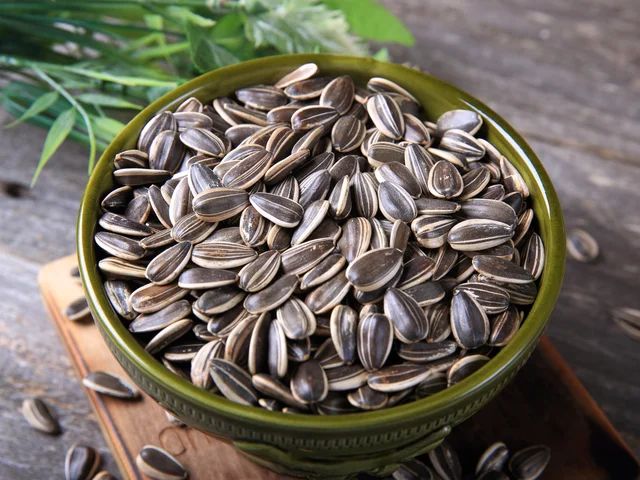
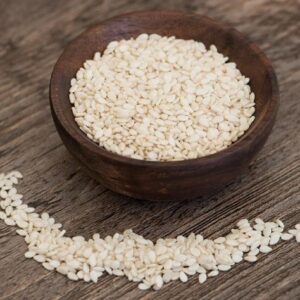
Sunflower Seeds – Nutritious Seeds for Food and Oil Industry
Origin : India
Packing and Shipping Details
- Packing :
- Food-grade poly bags, vacuum-sealed bags, or jute bags with liners
- Standard Sizes: 10kg, 25kg, 50kg, or customized packing
- Load Capacity :
- 20 FT Container : 13 Metric Tons (MT)
- 40 FT Container : 26 Metric Tons (MT)
- Shelf Life :Up to 1 year when stored in a cool, dry place, away from moisture, light, and heat.
Introduction
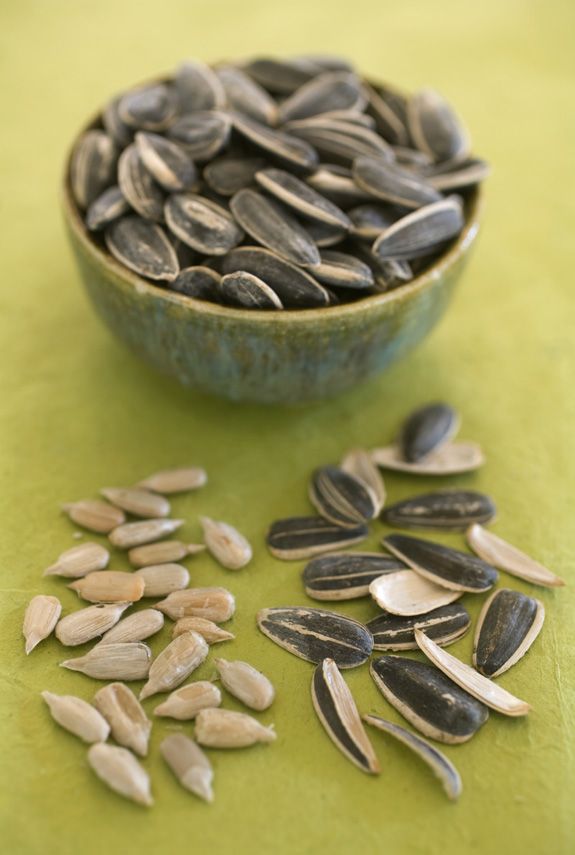
Sunflower seeds come from the bright yellow sunflower plant (Helianthus annuus). These small, oval-shaped seeds have a smooth texture and a mild nutty flavor. They are one of the most popular oilseeds in the world, valued for both edible use and oil extraction. Their versatility makes them a sought-after agricultural product in global markets.
Culinary Uses
Sunflower seeds are enjoyed as a healthy snack, either raw, roasted, or salted. They are added to salads, cereals, bread, and energy bars for extra crunch and nutrition. Bakers use them in multigrain breads, while food processors include them in ready-to-eat snacks and confectionery. Their mild taste blends well with sweet and savory recipes, making them suitable for households, restaurants, and food companies.
Oil Extraction
One of the major uses of sunflower seeds is oil production. Sunflower oil is light in texture, rich in Vitamin E, and widely used for cooking and frying. It has a neutral taste and high smoke point, making it ideal for household and industrial food preparation. The by-product, sunflower meal, is used as a protein-rich animal feed.
Nutritional and Health Benefits
Sunflower seeds are packed with protein, healthy fats, fiber, and essential minerals like magnesium and selenium. They promote heart health, support immunity, and provide energy. Their natural antioxidants help fight inflammation and improve overall well-being. As plant-based diets grow in popularity, this seeds are in high demand as a superfood ingredient.
Export and Market Potential
India produces and exports high-quality sunflower seeds to global markets including Asia, the Middle East, and Europe. Exporters supply cleaned, graded, and well-packed seeds that meet international food safety standards. Bulk packaging options are available to suit the needs of wholesalers, food processors, and traders. Rising demand for healthy snacks and edible oils continues to boost the export potential of sunflower seeds.
Conclusion
Sunflower seeds combine taste, nutrition, and industrial value. Whether eaten directly, used in cooking, or processed into oil, they remain an essential commodity worldwide. For buyers looking for quality and reliability, sunflower seeds are a smart choice.
Reviews
There are no reviews yet.